
Recently, the highly anticipated academic conference held in conjunction with BIO SHANGHAI (Shanghai International Biopharma Industry Week) was held grandly at the Zhangjiang Science Hall in Shanghai. Under the theme "Smart Longevity: Digital Intelligence Empowering the Health and Well-being of Older Adults," the conference brought together leading scholars and industry experts from the National University of Singapore, Hong Kong Polytechnic University, Renmin University of China, Shanghai University of Finance and Economics, East China University of Political Science and Law, and other institutions at home and abroad to explore cutting-edge technologies and governance solutions for an aging society driven by AI.
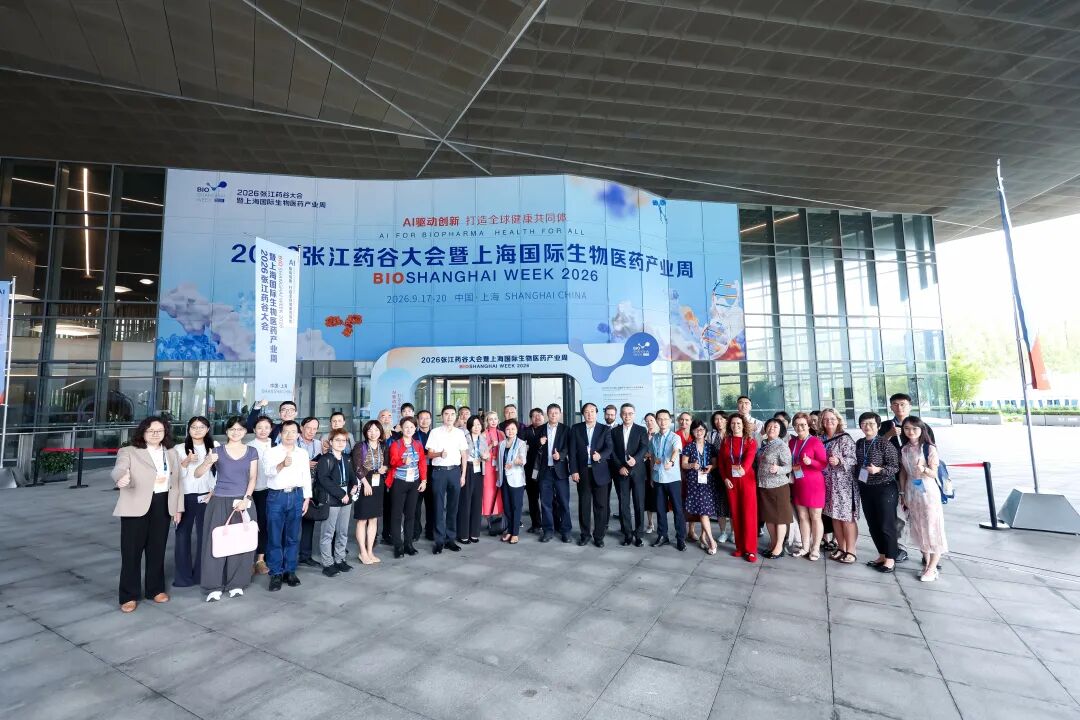
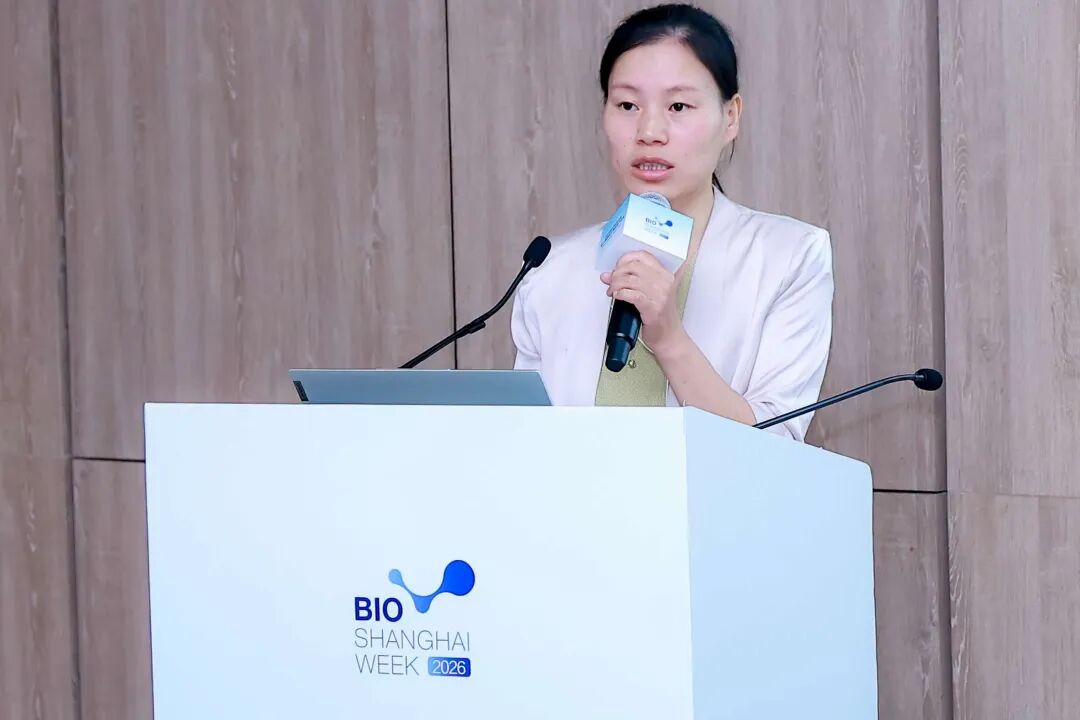
Ms. Feng Ting of Beijing Tongtai Network Technology Co., Ltd. was invited to attend the conference, and delivered a keynote speech titled "From CSS to LEAP-SH: The Practice of the CAPI System in Longitudinal Survey Quality Control" at the sub-forum "Smart Longevity Society: Technology, Active Aging, and Governance," sharing with the audience TLSUN's deep expertise and innovative achievements in data collection and quality control for large social surveys.
Solving the Pain Points of Longitudinal Surveys: Writing "Data Quality Standardization" into the System
In her speech, Feng Ting pointed out that for large longitudinal surveys (Longitudinal Survey), because the same group must be tracked over the long term, the requirements for the consistency, accuracy, and completeness of data quality are extremely high, and traditional survey methods often struggle to meet increasingly complex research needs.
In response, Feng Ting introduced in detail TLSUN's independently developed CAPI (Computer-Assisted Personal Interviewing) system. The system's greatest core advantage is that it has thoroughly written "data quality standardization" into the underlying logic of the system, achieving full-lifecycle quality assurance from questionnaire design to data cleaning:
1. Before the Survey: Rigorous Logic Routing and Automatic Gap Detection
During questionnaire design, the system has built-in rigorous logic routing rules. After respondents complete the questionnaire, the system automatically performs a completeness check to ensure that no required items are missed and that questions that should be hidden never appear, eliminating data omissions and logical errors at the source.
2. During the Survey: Multi-dimensional Parallel Data Collection
During data collection, the system not only records answers, but also simultaneously collects audio recordings, GPS locations, paradata, and response time, among other auxiliary data, providing strong objective evidence for subsequent verification of data authenticity.
3. During the Survey: Closed-Loop Management with Quality Control Alongside Collection
The system breaks away from the traditional "collect first, control later" model and enables quality control and collection to run in parallel. While interviewers collect data, the backend performs real-time quality control; once problems are found, interviewers can promptly conduct follow-up visits, and the backend then carries out the final review. This mechanism successfully creates a "closed loop" of data quality control, greatly improving the authenticity and reliability of the data.
4. After the Survey: Minimal and Efficient Data Cleaning
Thanks to the strict checks in the first three stages, most data that fails to meet requirements has already been filtered out in advance. As a result, the workload in the final data cleaning stage is greatly reduced. General Manager Feng Ting emphasized: "This is an efficiency leap that traditional paper questionnaires and ordinary electronic questionnaires simply cannot achieve."
Years of Industry Expertise: The Trusted Choice for National-Level Large Survey Projects
Practice is the sole criterion for testing technology. In her speech, Feng Ting presented the "report card" of the TLSUN CAPI system. The system has now been successfully applied in several highly influential large longitudinal survey projects in China, withstanding the tests of massive amounts of data and complex research environments:
- Chinese Social Survey (CSS) (2019–2025) — Institute of Sociology, Chinese Academy of Social Sciences
- Shanghai Lifelong Learning and Productive Aging Study (LEAP-SH) (2022 and 2025) — Shanghai University and East China University of Political Science and Law
- Panel Study of Chinese University Students (PSCUS) (2018–2026) — Institute of Sociology, Chinese Academy of Social Sciences
- China Rural Revitalization Survey (CRRS) (2024 and 2026) — Rural Development Institute, Chinese Academy of Social Sciences
- Shandong Provincial Economic and Social Comprehensive Survey (2018–2026) — Shandong Academy of Social Sciences
Conclusion
Being invited to speak at the BIO SHANGHAI academic conference is not only a recognition of Feng Ting's personal professional ability, but also a strong affirmation by the academic community of the leading position of Beijing Tongtai Network Technology Co., Ltd. in the field of data collection and quality control technology.
In the future, TLSUN will continue to deepen its work in the field of digital-intelligent survey, continuously iterate its CAPI system technology, and, with more rigorous logic, smarter quality control, and more efficient services, help research institutions and social organizations obtain a more authentic and precise data foundation in research on "active aging" and broader social governance, empowering the building of a global health community through the power of technology.